Imagine three shops on the same street all need packaging, cleaning supplies or another regularly used item. Each business could contact a supplier separately. Or they could first compare what they need and decide whether a combined order makes sense.
Start With a Shared Need
Group buying works best when the businesses genuinely need similar products or supplies. The first step is simple: list what each shop needs, the quantities involved and when the stock is required.
Do not combine orders just because a supplier offers a large quantity. Each merchant still needs to know what its own business can use and afford.
Compare the Total Requirement
Once the three businesses understand their individual needs, put them together.
A combined requirement may make it easier to have one conversation with a supplier. It can also make the full order easier to understand and compare with quotations. But a larger order does not automatically mean a better deal. Check the actual price, delivery arrangements, product suitability and how the order will be divided.
Keep Each Business Accountable
Buying together does not mean running one business.
Each merchant should be clear about its own quantity, cost and share of the order. Agree on the practical details before placing anything: what is being ordered, who is supplying it, how delivery will work and how each business will receive its portion.
Clear records matter because a simple purchasing arrangement can become confusing when nobody remembers who requested what.
Use the Merchant Network
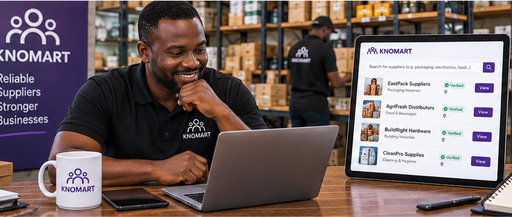
Knomart's merchant-to-merchant marketplace gives businesses a place to discover suppliers, request quotations and post supply requests. Those tools can help merchants make a supply need visible and find businesses that may be able to respond.
Group buying itself should be treated as a business decision between the merchants involved. Knomart provides the wider merchant network and supply tools; the businesses still need to agree on the order that works for them.
Three Shops, One Smarter Conversation
The value of group buying is not simply “buy more.” It is coordination.
Three businesses can understand their separate needs, compare them together and decide whether one purchasing conversation is more useful than three separate ones.
Before you place the next supply order, ask: who nearby needs something similar? A good merchant relationship can start with a shared need.
Ready to get started?
Explore our apps and find the right one for your trade.